Bains Reptiles Updates
Why Captive-Bred Ball Pythons Matter
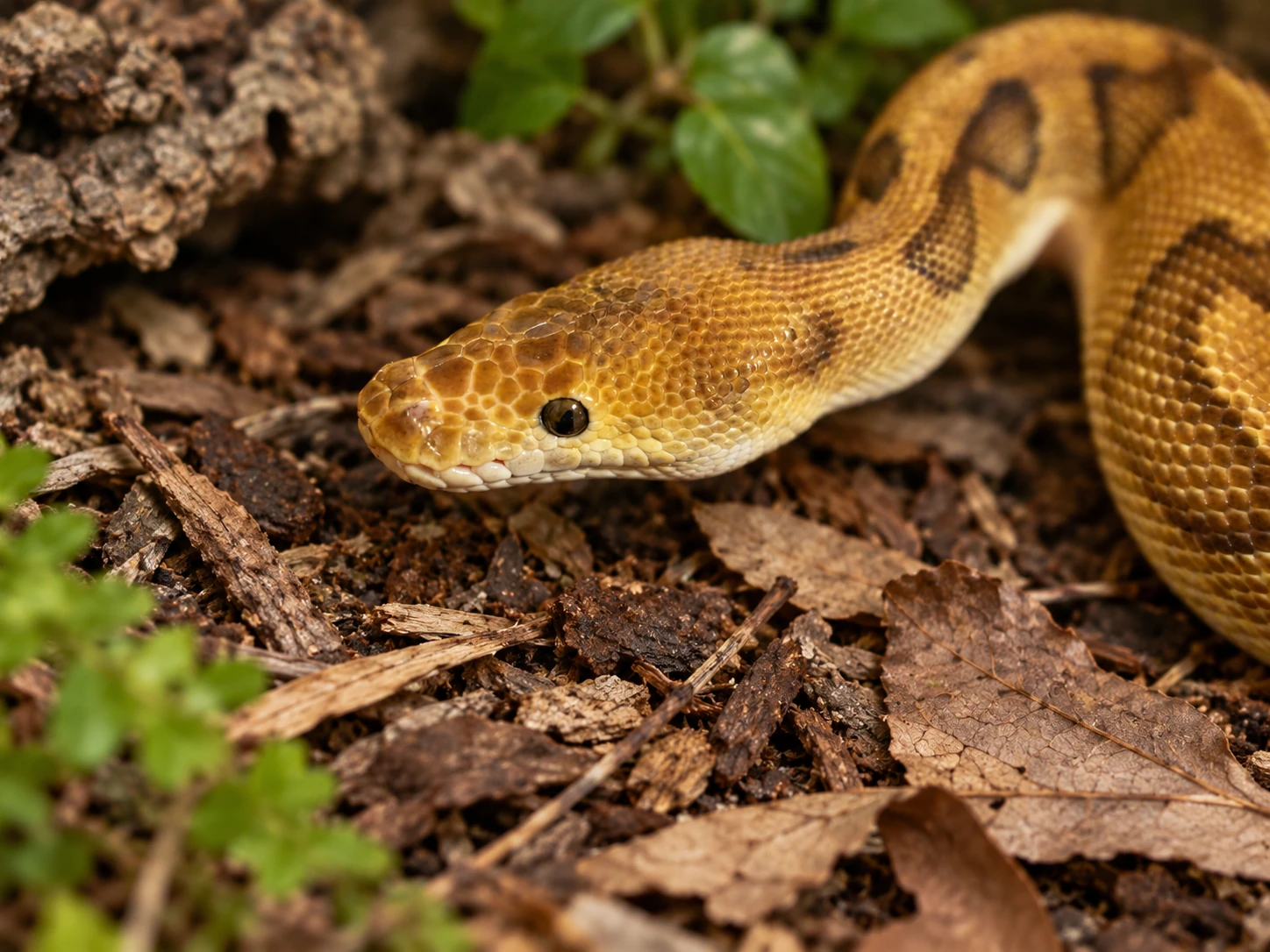
"Captive-bred" isn't marketing language — it's a real distinction that affects the animal, the keeper, and responsible animal keeping. Here's why every ball python we produce at Bains Reptiles is captive-bred and hatched in-house.
Captive-bred, farmed, and wild-caught aren't the same
- Captive-bred (CB): hatched from parents kept long-term in a captive environment.
- Captive-hatched (CH) / farmed: eggs collected from wild or semi-wild females and incubated in facilities.
- Wild-caught (WC): animals collected as adults from the wild.
The differences show up quickly once the animal is in your home.
Feeding reliability
Captive-bred hatchlings are typically started on frozen-thawed prey from the beginning. They know what a feeder looks like and respond consistently. Wild-caught and farmed animals often refuse food, hold out for live prey, or take months to establish a stable feed response.
Parasite load and stress
Wild-collected animals often arrive with parasite loads and stress that can take a keeper — and a good reptile vet — months to resolve. Captive-bred animals from a careful facility start cleaner and calmer.
For any health concern, please consult a qualified reptile veterinarian — that's outside the scope of a breeder's role.
Predictable genetics
Captive-bred animals have known parents, which means known genetics. That matters for morph identification and understanding what an animal will look like as it grows. If you're new to this, our morphs explained guide walks through the basics.
Hobby sustainability
A hobby built on captive-bred animals doesn't depend on collecting from wild populations. The ball python hobby has largely moved this direction, and supporting captive-bred breeders keeps it going that way.
What to look for when buying
- Breeder can name the parents
- Hatch date and current weight are documented
- Feed history is specific (prey type, frequency, last meal date)
- Photos of the actual animal, not stock imagery
Our full pre-purchase checklist is here: what to ask before buying a ball python.
Bains Reptiles animals
Every ball python we produce is captive-bred and hatched in West Texas. Browse current availability on MorphMarket, or reach out to Todd with questions.
Questions about a specific animal?
Not sure what to choose? Text Todd. Availability changes — check MorphMarket for current listings.