Morph Education
Ball Python Morphs Explained for Beginners
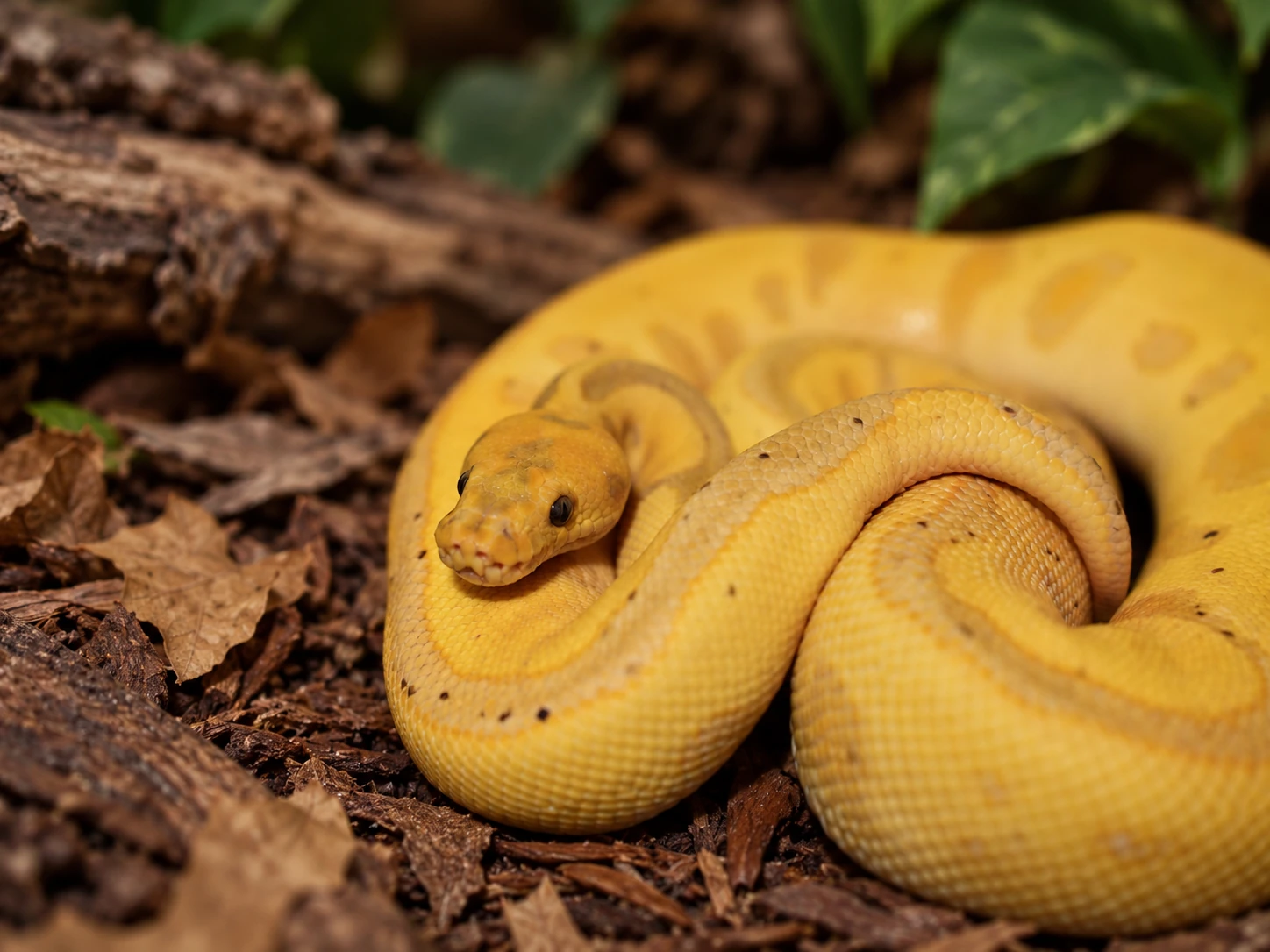
"Morph" is a word you'll see everywhere in the ball python hobby, and once you understand it, MorphMarket listings and breeder conversations suddenly make sense. Here's the beginner's version — no genetics degree required.
What is a ball python morph?
A ball python morph is a color, pattern, or scale variation caused by a specific gene (or combination of genes). A "normal" ball python is the wild-type pattern. Everything else — Pastel, Pied, Clown, Banana, Enchi — is a morph created by one or more genes acting on that base.
The three main inheritance types
Most ball python genes fall into one of three buckets:
Dominant
One copy of the gene shows visually. Pinstripe is a classic example. Two copies (a "super") look the same as one copy — there is no visual "super form."
Co-dominant / incomplete dominant
One copy of the gene shows a specific look. Two copies produce a different, often much more dramatic look — the "super form." Pastel and Mojave are common examples: one copy of Mojave looks one way, two copies produce a Super Mojave that's almost solid white with blue eyes.
Recessive
The gene only shows visually when the animal has two copies. An animal with a single copy is "het" (heterozygous) — it carries the gene invisibly and can pass it on. Piebald, Clown, and Desert Ghost are common recessive genes.
Why morph identification matters
Two Pastels bred together can produce Super Pastels. A het Pied bred to another het Pied has a chance of producing a visual Pied. Knowing what genes an animal actually carries — visual and hidden — helps you interpret genetic information. It also determines the price difference between two animals that look almost identical.
Before buying, work through our questions to ask before buying checklist so you know exactly what you're getting.
Pet-quality vs breeder-quality
"Pet quality" doesn't mean unhealthy — it typically means the animal is a beautiful, well-started ball python without the specific genetic combination someone would pay a premium for in a breeding animal. A pet-quality Pastel and a breeder-quality Pastel are both healthy Pastels; the breeder animal likely has additional hets or a proven line behind it.
Which you want depends on your goal. For a first pet, a pet-quality animal from a careful breeder is often the best value. If genetics matter to your purchase, ask for documented information rather than relying on appearance.
Why asking the breeder helps
Two animals with the same morph name can look and behave very differently depending on the lines they come from. A quick conversation with the breeder — parent info, feed history, expected adult look — will teach you more than any online chart.
Ask Todd about available animals
If you'd like help interpreting a listing or matching a morph to your goals, Todd Bains is happy to walk through options. See what's currently available on MorphMarket, then reach out directly.
Questions about a specific animal?
Not sure what to choose? Text Todd. Availability changes — check MorphMarket for current listings.